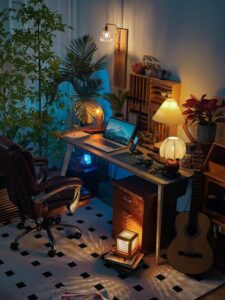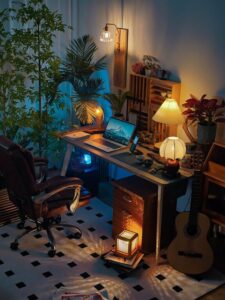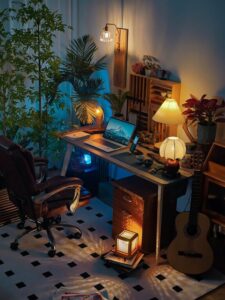
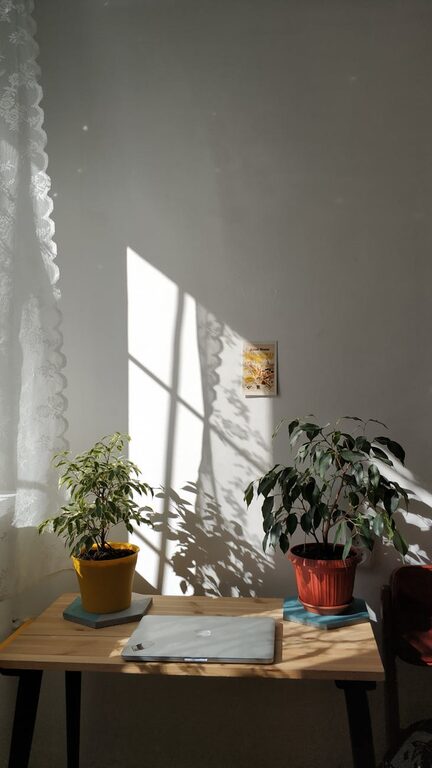
Creating a relaxing home office environment is essential for staying productive and maintaining a healthy work-life balance. Whether you’re working remotely full-time or just need a space to handle personal tasks, designing a calm and comfortable workspace can help reduce stress and improve focus. In this post, we’ll explore practical tips to transform your home office into a peaceful retreat.
Choose the Right Location
Finding the ideal spot for your home office is the first step toward a relaxing workspace. Select a quiet area away from household distractions and high traffic zones. A room with natural light is particularly beneficial, as it helps regulate your mood and energy levels.
Consider privacy and noise
If possible, choose a room with a door to close off noise. Using rugs, curtains, and soft furnishings can help absorb sound and create a quieter environment.
Prioritize Comfort and Ergonomics
A comfortable and ergonomic setup prevents physical discomfort that can add to stress during long work hours. Here are some elements to consider:
– Chair: Invest in a supportive office chair that fits your body and encourages good posture.
– Desk height: Make sure your desk allows your arms to rest comfortably at a 90-degree angle.
– Monitor position: Place your screen at eye level to avoid neck strain.
– Keyboard and mouse: Use ergonomic accessories if necessary to reduce wrist pain.
Adjusting your workspace to suit your needs enhances comfort and helps maintain energy throughout the day.
Use Soothing Colors and Decor
Colors affect our mood and productivity. Opt for calming hues such as soft blues, greens, or neutral tones. Avoid overly bright or harsh colors that can be distracting.
Add natural elements
Incorporate plants or natural materials like wood to bring a touch of nature indoors. Plants not only add beauty but can also improve air quality and reduce stress.
Personal touches
Decorate your space with items that inspire you, such as artwork, photos, or motivational quotes. However, avoid clutter to keep the area feeling open and inviting.
Maximize Natural Light and Supplement with Good Lighting
Natural light has numerous benefits, including boosting mood and alertness. Place your desk near a window if you can.
If natural light is limited, use layered lighting:
– Ambient lighting: General ceiling lights to brighten the whole room.
– Task lighting: A desk lamp focused on your work area.
– Accent lighting: Soft lights to create a cozy feel in the evening.
Warm light bulbs (around 2700K) tend to be more relaxing than cool, harsh lighting.
Keep the Space Organized and Clutter-Free
A tidy office helps clear your mind and reduces distractions. Use storage solutions like shelves, drawers, and organizers to keep essential items within reach but out of sight.
Tips for organization:
– Regularly declutter your desk and files.
– Set up a filing system for documents.
– Use cable management tools to control cords and wires.
– Establish daily or weekly routines to maintain order.
Incorporate Relaxation Break Areas
If space allows, create a small corner dedicated to relaxation and breaks. This could include a comfortable chair, cushions, or a small table for tea or meditation.
Taking short breaks away from your desk can refresh your mind and improve overall productivity.
Control Air Quality and Temperature
Good air quality and a comfortable temperature contribute significantly to a pleasant workspace. Ensure your office is well-ventilated and consider an air purifier if needed.
Maintain a temperature between 68–72°F (20–22°C) to stay comfortable without getting too cold or warm.
Use Calming Scents and Sounds
Scent and sound can influence your mood and focus. Try gentle, natural scents such as lavender or eucalyptus with a diffuser or candles (when safely used).
For background noise, soft instrumental music, nature sounds, or white noise can help mask distractions without being overpowering.
Set Boundaries for Work and Personal Life
A relaxing home office isn’t just about the physical space—it’s also about how you manage your time and habits.
– Define working hours and stick to them.
– Communicate boundaries with family or roommates.
– Avoid working from other areas like the couch or bed to keep your mind focused when at your desk.
Final Thoughts
Designing a relaxing home office environment takes thoughtful planning but offers big rewards in comfort and productivity. By choosing the right location, investing in ergonomic furniture, incorporating calming colors and natural light, and keeping your space organized, you’ll create a workspace that supports your well-being and work goals. Remember to include moments of relaxation throughout your day, and adjust your setup as needed to maintain a peaceful atmosphere. A well-designed home office can help make work feel less like a chore and more like a productive, enjoyable part of your life.