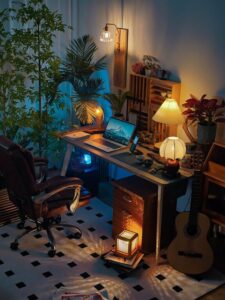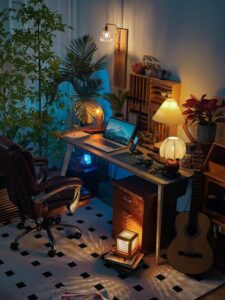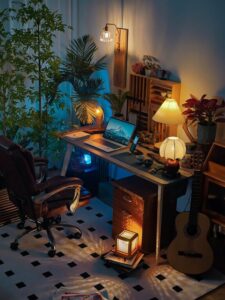
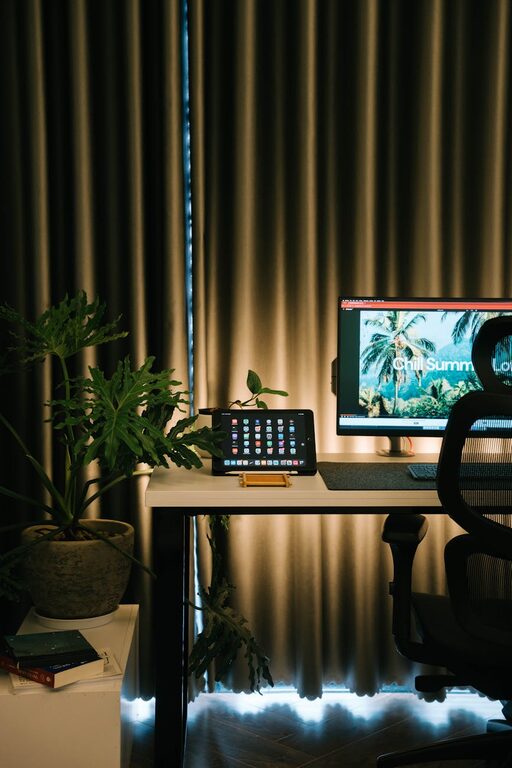
Creating a home workspace that is both cozy and functional can transform your daily routine, making work feel more enjoyable and productive. Whether you’re working remotely, freelancing, or just need a dedicated spot for personal projects, the right environment helps you focus and stay motivated. Here are some practical tips to help you design a workspace that balances comfort with efficiency.
Choose the Right Location
Selecting the ideal spot for your home office is the foundation of a productive workspace.
– Consider natural light: Position your desk near a window to benefit from natural sunlight. This can reduce eye strain and uplift your mood.
– Limit distractions: Pick a quiet corner or a room where you can minimize interruptions from household activities.
– Space availability: Ensure there is enough room for your desk, chair, and any additional equipment you use regularly.
If space is limited, even a small nook can be transformed with the right setup.
Invest in Comfortable Furniture
Comfort is key when spending long hours working from home.
– Ergonomic chair: Your chair should support good posture with adjustable height and back support.
– Desk height: Choose a desk that fits your height to avoid strain on your wrists, neck, and shoulders.
– Consider alternatives: Standing desks or convertible models let you change positions throughout the day, helping reduce fatigue.
Adding a small footrest can also enhance comfort during seated work.
Organize for Efficiency
Clutter can disrupt your workflow and make your space feel cramped. Keeping things organized helps maintain focus and usability.
– Storage solutions: Use shelves, drawers, or filing cabinets to keep documents and supplies neatly stored.
– Desk organizers: Trays, pen holders, and cable management tools keep essentials accessible but tidy.
– Digital organization: Use apps and cloud storage to reduce paper clutter and keep files sorted.
Regularly declutter to maintain a clean, inviting workspace.
Add Personal and Cozy Touches
Make your home office feel welcoming by incorporating elements that bring you joy and relaxation.
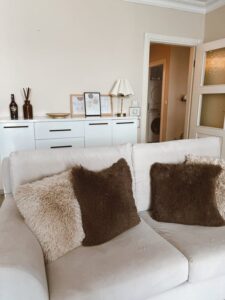
– Soft textiles: A cozy throw blanket or a cushioned seat pad can make the space more inviting.
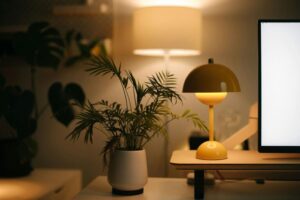
– Plants: Adding greenery not only beautifies your workspace but can also improve air quality and reduce stress.
– Artwork and photos: Personal pictures or inspiring art can create a positive atmosphere.
– Lighting: Supplement natural light with warm, adjustable lamps to create a soothing ambiance during late hours.
Balancing professionalism with personal style helps the space feel truly yours.
Optimize Lighting and Screen Position
Proper lighting and screen placement are essential for comfort and eye health.
– Avoid glare: Position your computer screen perpendicular to windows to reduce glare.
– Adjust brightness: Use adjustable desk lamps and screen brightness to match different times of day.
– Blue-light filters: Consider blue-light-filtering glasses or software to reduce eye strain from screens.
Well-planned lighting supports productivity and reduces fatigue.
Maintain a Healthy Work Routine
Your workspace design can encourage habits that promote well-being.
– Take breaks: Arrange your space near a window or easy exit so you can step outside or stretch regularly.
– Hydration station: Keep a water bottle or a small drink nearby to stay hydrated.
– Separate work and rest: If possible, avoid working in your bedroom or on your bed to maintain clear boundaries.
Creating routines linked to your workspace supports work-life balance.
Use Technology Wisely
Equipping your workspace with the right technology boosts functionality.
– Reliable internet: A stable connection is crucial for smooth remote work or online meetings.
– Noise-canceling headphones: These can help block out distractions and improve concentration.
– Charging stations: Keep devices powered and organized with dedicated charging spots.
Choose tools that fit your work style without adding unnecessary clutter.
Final Thoughts
Creating a cozy and functional home workspace is about balancing comfort, aesthetics, and practicality. With thoughtful choices around location, furniture, organization, and personalization, your workspace can help you stay productive and comfortable, no matter how many hours you spend at your desk. Start small, adjust as you go, and enjoy the benefits of a well-designed home office.